First Move: Cut the Water at Its Source, If It's Safe
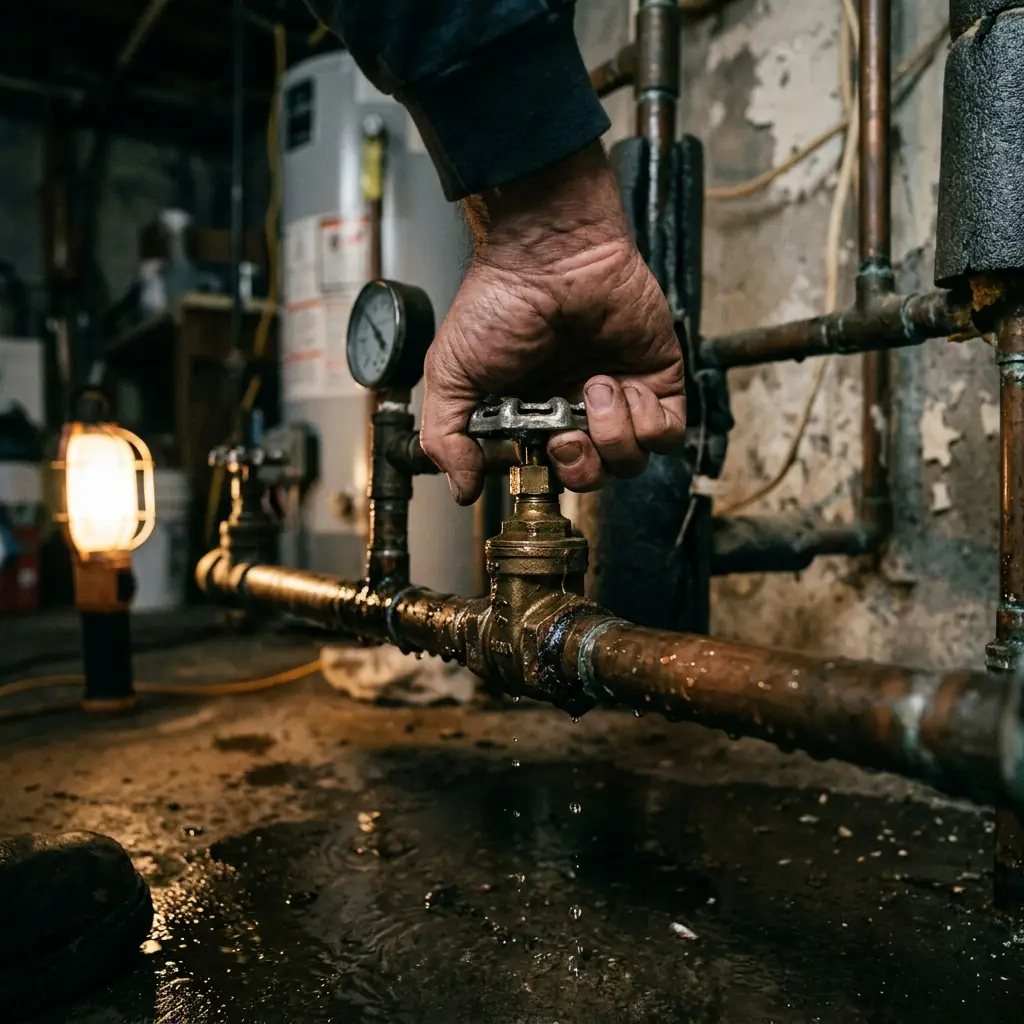
If you can safely shut off a supply valve or the main water line, do it first. If the source involves electrical hazards, standing water near outlets, or you're not sure where the shutoff is, skip this step and call for help instead of risking injury. Most homes have a main shutoff near the water meter or where the line enters the house, worth locating before an emergency happens, not during one.
Before Anything Moves: Photograph and Film It All
Walk the affected rooms with your phone recording, and photograph everything in place before furniture shifts, carpet comes up, or cleaning. This documentation matters for your insurance claim, and once items are moved or materials removed, you can't recreate the original scene for your adjuster. Wide shots showing the full affected area matter as much as close-ups of specific damage.
Why a Shop Vac Isn't a Plan: Call a Crew
Rented fans and a shop vac only touch the visible surface water, but they don't address moisture that's migrated into walls, subfloor, or framing. Professional extraction equipment and moisture meters find and remove water you can't see, which is the difference between a contained job and a mold problem weeks later. A live dispatcher answering at any hour also means you're not waiting until business hours to start the clock on extraction.
Step 4: Understand the Water Category You're Dealing With
Clean water from a supply line is handled differently than gray water from an appliance or black water from sewage or flooding. Category 3 water requires full disinfection, not just drying, so knowing the source matters for how the job gets approached. If you're not sure which category you're dealing with, describe what you're seeing to the dispatcher and let the crew confirm on arrival.
Step 5: Move Valuables and Furniture Out of the Affected Area
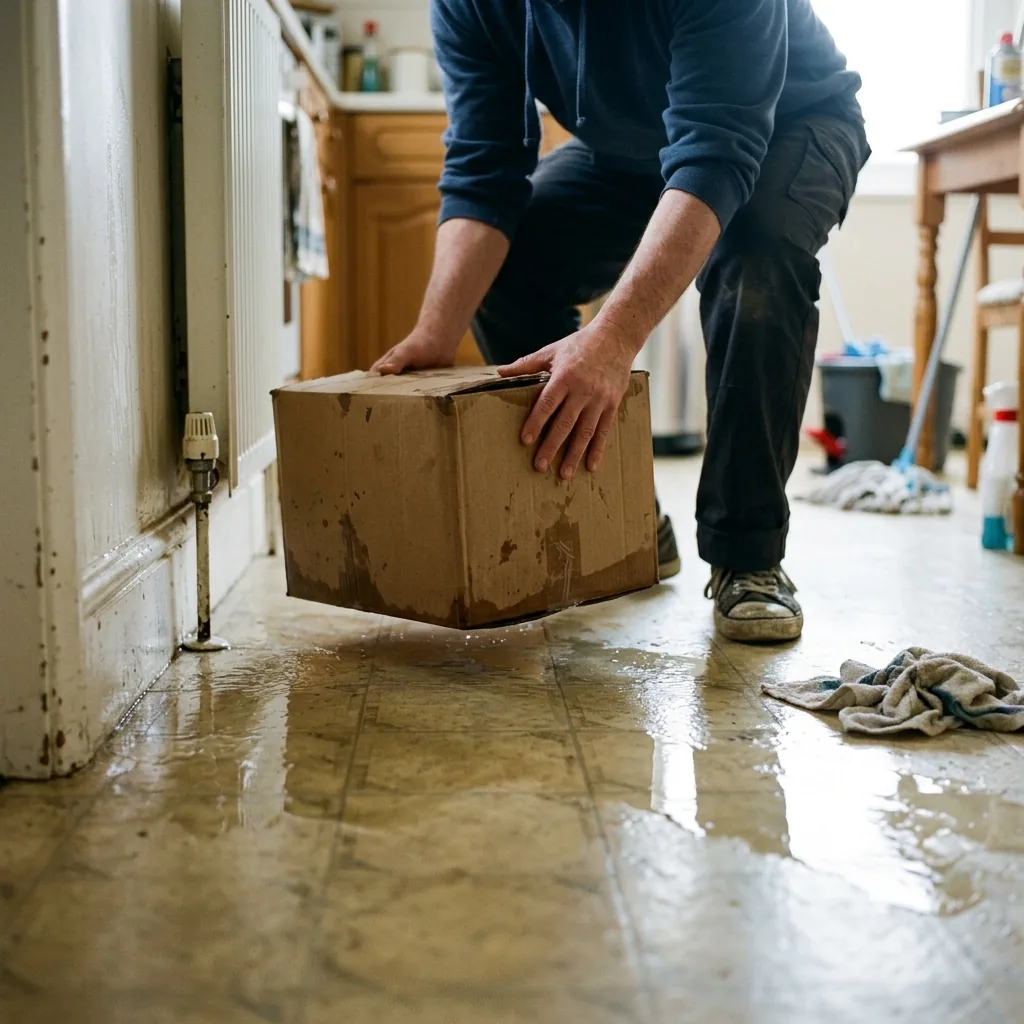
Once you've documented the damage, moving furniture, electronics, and valuables out of standing water or a wet area can prevent additional losses while you wait for extraction to begin. Lift items onto blocks or move them to a dry room rather than leaving them in contact with wet flooring.
What Happens If You Wait Longer Than 24 Hours
Mold can begin developing within 24 to 48 hours of water sitting untreated. Materials that could have been saved with fast extraction often need full replacement after that window passes, and the total restoration cost rises accordingly.
Water damage right now in Bothell? Call (425) 917-6048. Our emergency water damage restoration team responds 24/7, with a live dispatcher answering every call.